

1 September 2026
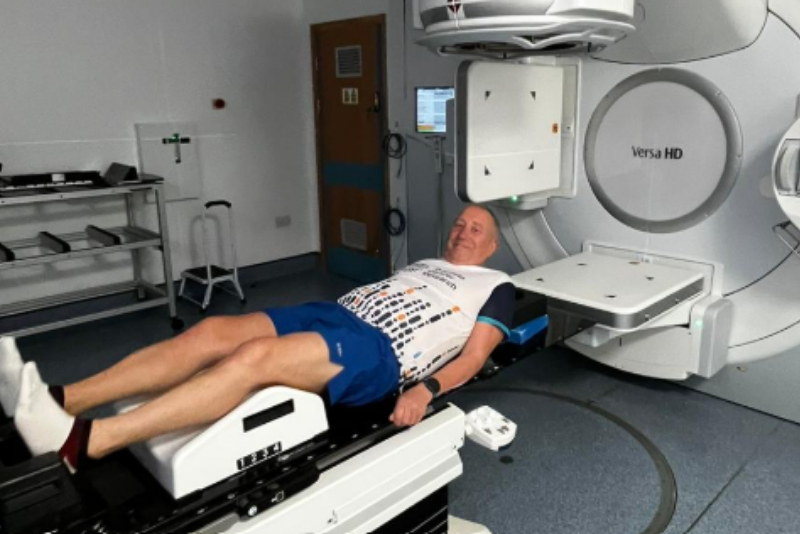
A prostate cancer patient is sharing how staying active helped him through surgery, radiotherapy and hormone therapy as part of Urology Awareness Month.
Ian Taylor, was diagnosed with prostate cancer on 1 March 2024 before undergoing a radical prostatectomy in December at New Cross Hospital.
Ahead of his operation, he remained active through walking, running and gym sessions, while also completing daily pelvic floor exercises to prepare his body for surgery and support his recovery.
He said: “When I was diagnosed with prostate cancer, I knew the road ahead would be challenging.
“Before my operation I was already physically active, and I used that fitness as a way of preparing myself for surgery. Looking back, that preparation proved invaluable.”
His recovery started just four hours after surgery when he was encouraged to get out of bed and walk around the ward.
Within a couple of weeks, he was walking a mile each day and gradually began to increase his activity. After eight weeks, he had regained continence and no longer needed pads.
However, following surgery, a PSA (prostate-specific antigen) blood test showed that further treatment was needed.
He was referred to Oncology and underwent 33 sessions of radiotherapy over six-and-a-half weeks, alongside androgen deprivation therapy (ADT), also known as hormone therapy.
He said: “Finding out I needed further treatment after surgery was difficult, both physically and emotionally.
“Radiotherapy and hormone therapy brought different challenges, including fatigue, muscle loss, weight gain and low mood.
“There were days when it would have been easy to stay indoors and rest, but I found that getting outside for a walk left me feeling physically stronger and mentally more resilient.”
Exercise continued to play an important role throughout his treatment, with walking, resistance training and other activities helping him manage some of the side effects.
He added: “Prostate cancer affects far more than the body. It can become a mental battle filled with uncertainty, frustration and anxiety.
“For me, physical activity gave me something positive to focus on. My advice to other men going through treatment would be to listen to your clinical team, listen to your body and keep moving where you can.”